Thursday, May 27, 2010

Jokko Initiative Project Manager Blogs on Social Change and Mobile Technology

Jokko Initiative Project Manager Blogs on Social Change and Mobile Technology


The Jokko Initiative is a collaborative effort between Tostan, UNICEF, and many African communities to empower participants through mobile technology education. Guillaume Debar, the Jokko Initiative project manager, blogs about mobile technology and social change. SMS text messaging offers an innovative way for NGOs to address a common problem – maintenance of literacy skills post-program participation – because it serves as a practical, desirable application of participants’ skills. In other words, SMS text messaging is an inexpensive way for villagers to communicate with family and friends about news and community events, allowing for both the use newfound literary skills and an effective way of organizing community events: an essential part of long-lasting social change. Click here to read more from Guillaume Debar.

Communities in BRAKNA Join the Momentum for FGC Abandonment in Mauritania

Mauritania Celebrates the Abandonment of FGC and Child/Forced Marriage Abandonment


MBAGNE, Region of Brakna, Mauritania, 25 May 2010—For the first time in the Islamic Republic of Mauritania, a celebration to abandon the harmful tradition practices of female genital cutting (FGC) and child/forced marriage was organized by 78 communities in the Region of Brakna.

Held in the town of Mbagne, representatives from the Hassanya and Pulaar ethic groups came together on Tuesday, May 25, to announce their commitment to promote and protect the human rights and health of girls and women. Setting the stage for further FGC abandonment in Mauritania, the communities opened a promising new chapter for women and girls in the region.

More than 7,000 people gathered at the public square in Mbagne for the day-long celebration. Communities traveled from throughout the region to participate in this historic event in the presence of important government officials such as the Minister of Social Affairs, the Child and the Family, UNICEF representatives and several other non-governmental organizations.

TOSTAN-UNICEF: A Strengthened Partnership

Keur Simbara hosts the Executive Director of UNICEF New York

On Wednesday, May 19, 2010, Mr. Anthony Lake, the Executive Director of UNICEF, visited the village of Keur Simbara in western Senegal. The community, which participated in Tostan’s Community Empowerment Program (CEP), is known in Senegal as one of the first communities to have abandoned the practice of female genital cutting (FGC) in 1998. UNICEF having supported the implementation of the Tostan program in Keur Simbara, it was fitting for Mr. Lake to visit the community on his first trip to Senegal as Executive Director of UNICEF. Keur Simbara welcomed its guest of honor with singing and dancing, and various presentations held during the visit emphasized the importance of human rights education in national languages and the sharing of information.

Click here to read more about Mr. Lake’s visit to Keur Simbara.
Click here to read UNICEF's article about Mr. Lake's visit to Keur Simbara.

Monday, May 24, 2010

Meet Dawda Sowe and Ramatullahi Bah: a Tostan Community Empowerment Program Participant and Facilitator in The Gambia

A glimpse into the Community Empowerment Program (CEP), Tostan’s 30-month, holistic education program, implemented in local languages and which covers the topics of democracy, human rights, health and hygiene, problem solving, literacy, and numeracy.
 
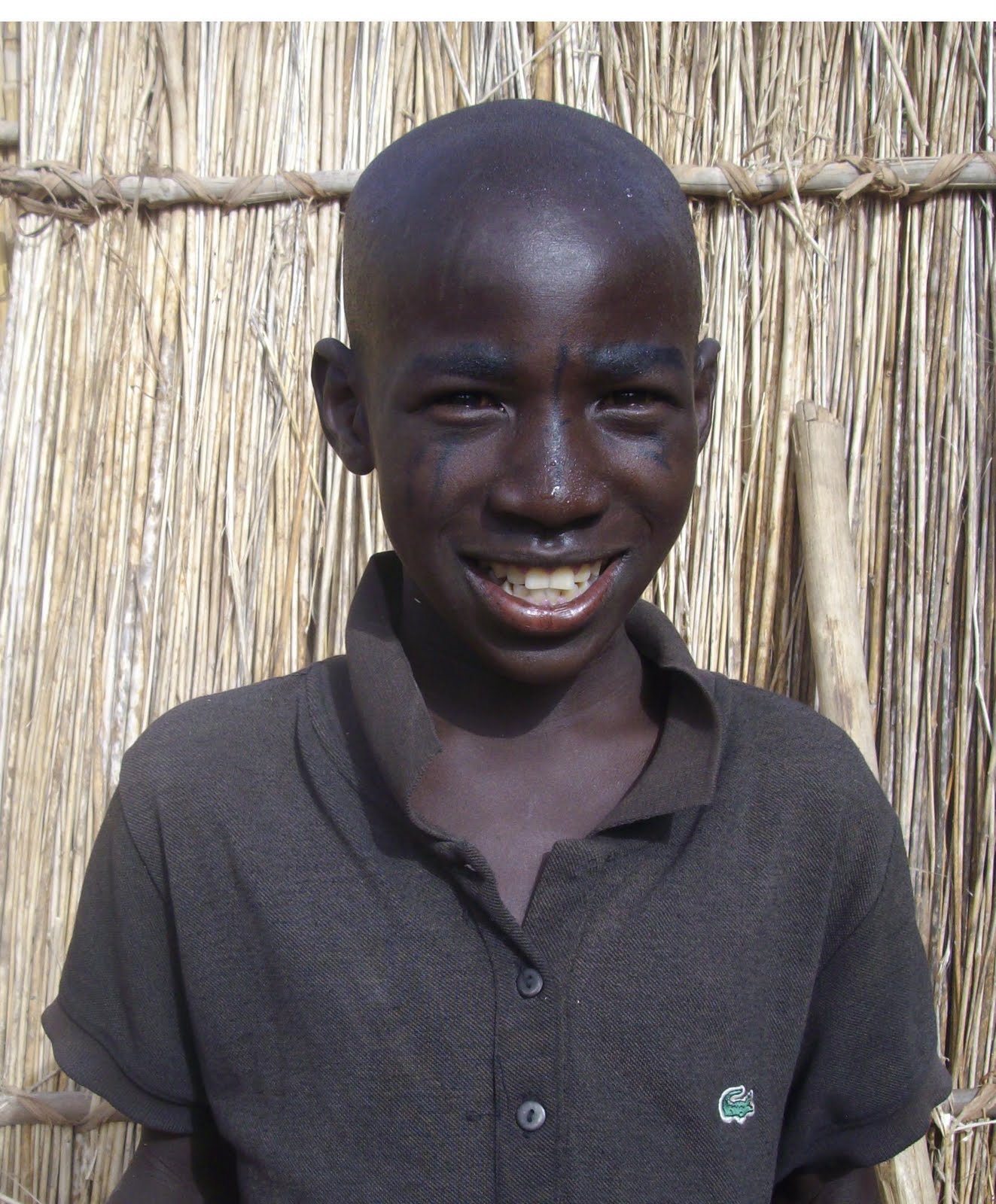
Dawda Sowe is a 12 year-old CEP class participant in the Fula community of Sare Jallow. Having heard about the Tostan adolescent classes from his Mandinka friends in 2007, Dawda has looked forward to attending them ever since. He is most excited about learning the Fula alphabet, as he has only been taught the English alphabet in school. His entire family currently attends the CEP sessions, and Dawda himself participates in classes after finishing his regular school day. Dawda adopted his 12 year old friend Fatoumata to teach her about democracy and problem-solving.

 
Ramatullahi Bah is a facilitator in the Fula community of Sare Jallow. She likes working with Tostan because she believes the CEP brings positive changes to rural communities. Since she began working as a facilitator in 2008, Ramatullahi has seen new behavior and traditions come into existence in Sare Jallow. For instance, the village now carries out regular cleaning exercises, and the Community Management Committee (CMC) coordinates hospital visits for children under the age of five and for pregnant women so that they have access to essential vitamins. The CEP class of 72 participants is increasing as it continues to be joined by new participants who are hungry to learn.
 
Blog adapted by Salim Drame